
March 2026 | Electrification | Decarbonisation
TL;DR
Europe's net-zero targets depend on electrifying virtually every sector, driving a massive and sustained increase in electricity demand.
The binding constraint is no longer renewable technology or cost — it is the physical grid infrastructure, especially transformers, transmission lines, and substations, where lead times and connection queues stretch years into the future.
Without a step change in how critical grid equipment is procured, financed, and deployed, Europe's climate commitments risk becoming targets on paper only
Decarbonisation: The Scale of What Europe Has Committed To
The UK and the European Union have committed to among the most ambitious decarbonisation trajectories in the world. The UK targets net zero greenhouse gas emissions by 2050, with a legally binding interim goal of reducing emissions by at least 68 per cent by 2030 relative to 1990 levels — one of the steepest near-term commitments anywhere. The EU, through its European Green Deal and updated Nationally Determined Contributions, has set a binding target of at least 55 per cent net emissions reduction by 2030, with full net zero by 2050 enshrined in the European Climate Law.
In a global context of ever increasing energy demand, central to meeting these goals is a fundamental transformation of how energy is produced, distributed, and consumed. Fossil fuels currently underpin the majority of energy consumed across the UK and Europe. In the UK many industrial processes rely on direct combustion of oil, gas, or coal. Across the EU, the picture is broadly similar: fossil fuels supplied around 69 per cent of gross final energy consumption in 2022, according to Eurostat data.
Eliminating or radically reducing the combustion of fossil fuels across every sector of the economy, therefore requires replacing our primary energy sources. Electrification is increasingly recognised as the most scalable and cost-effective pathway to achieving this.
Electrification: The Mechanism and Its Implications
Electrification refers to the process of substituting electricity for direct fossil fuel use across sectors that have historically relied on combustion. The logic is straightforward: if we can produce electricity from wind, solar, or nuclear power at low carbon intensity, and then power our cars, factories and data centres with that electricity, we eliminate the associated emissions at source. For the vast majority of applications, clean electricity is the most technically mature, commercially proven, and increasingly affordable solution.
Over the last decade, we have slowly seen small-scale applications of this logic at the consumer level, with the introduction of heat pumps to replace gas boilers and electric vehicles (EV) to displace petrol and diesel. With AI-driven data centre growth — and the exponential increase in energy demand as a consequence — it is increasingly urgent that electrification is upscaled to an industrial level if the UK and Europe want to keep in track of their climate objectives.
The consequence is a significant and sustained increase in electricity demand. The International Energy Agency projects rising global electricity consumption through 2026 and beyond, with electrification as a primary driver.The UK's Climate Change Committee (CCC) projects that UK electricity demand could roughly double by 2050, driven principally by EVs, heat pumps, and AI-linked data centre growth. Every increment of that demand must be met by an electricity system that is simultaneously expanding its generating capacity, modernising its networks, and integrating unprecedented levels of variable renewable generation.
How Progress Is Going and Where It Is Falling Short
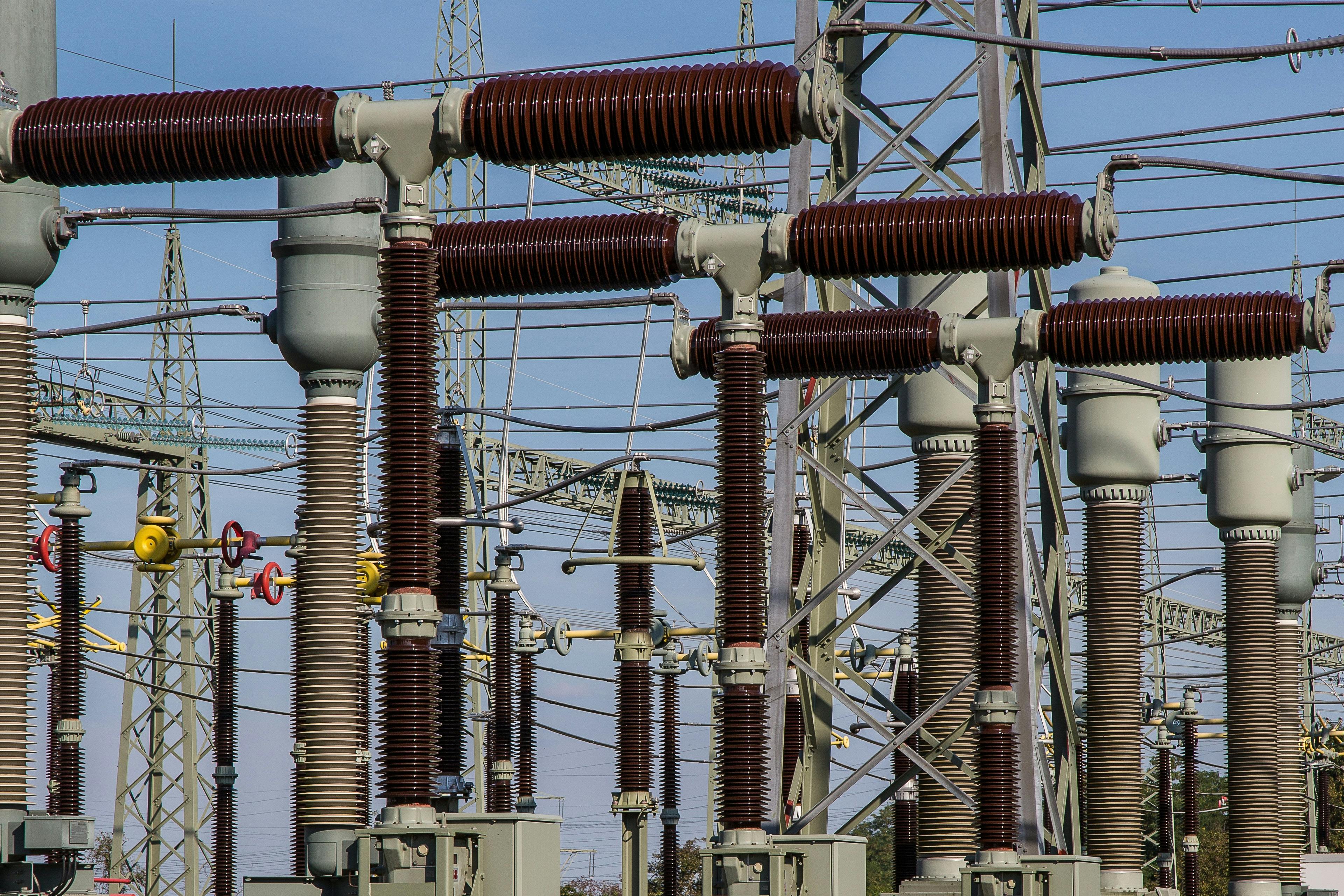
The most consequential constraint in the energy transition today is not renewable technology or the cost of clean power — it is the capacity of electricity grids, and the supply of critical equipment those grids depend on, to connect new generation and serve rapidly growing demand.
On generation, there is genuine cause for optimism. Offshore wind has grown rapidly in the UK, solar deployment has accelerated across Europe, and the cost trajectory for both continues to improve. But physical grid expansion lags far behind. ENTSO-E estimates that around 50,000 kilometres of new or upgraded transmission infrastructure will be needed across the continent by 2030 — equivalent to circling the Earth at the equator.
Data centre growth compounds the challenge. The rapid scaling of AI compute infrastructure is generating electricity demand that in some European markets is outpacing grid capacity forecasts.
In the UK, the transmission connection queue has become a serious structural problem — several hundred gigawatts of projects, the majority facing wait times exceeding a decade. Reform initiatives including Ofgem's Connections Reform Programme are under way, but the backlog reflects years of under-investment. Comparable congestion is emerging across EU distribution networks, constraining rooftop solar, EV charging, and heat pump connections.
Less visible but equally critical is the supply of key equipment — above all, high-voltage power transformers. Lead times have extended to two to four years, with manufacturers operating at or near capacity. The IEA has formally identified transformer supply chains as a strategic vulnerability for the global energy transition, while planning and permitting delays add further friction, often extending infrastructure project timelines by years.
The gap between stated ambition and physical delivery is real, widening, and increasingly material to investment planning across the sector.
The Consequences of a Constrained Supply Chain
When the supply chain cannot keep pace with the urgency of the transition, the consequences compound across the system. Renewable generation assets that are built but not connected cannot deliver clean power. Curtailment of wind and solar output increases balancing costs and undermines project economics. Continued reliance on flexible gas generation as a system balancer maintains emissions and fuel import exposure — the very energy security vulnerability that REPowerEU was designed to eliminate.
At the macro level, persistent infrastructure bottlenecks risk undermining progress toward legally binding climate targets. The UK has staked statutory credibility on its net zero trajectory. The EU has embedded its commitments in primary legislation.
If the physical infrastructure underpinning electrification cannot be delivered at pace, the gap between target and trajectory will widen in ways that are increasingly difficult to reverse.
Would you like to know more?
Find out how Opna is building the market infrastructure to mobilise long-lead, mission-critical power equipment.